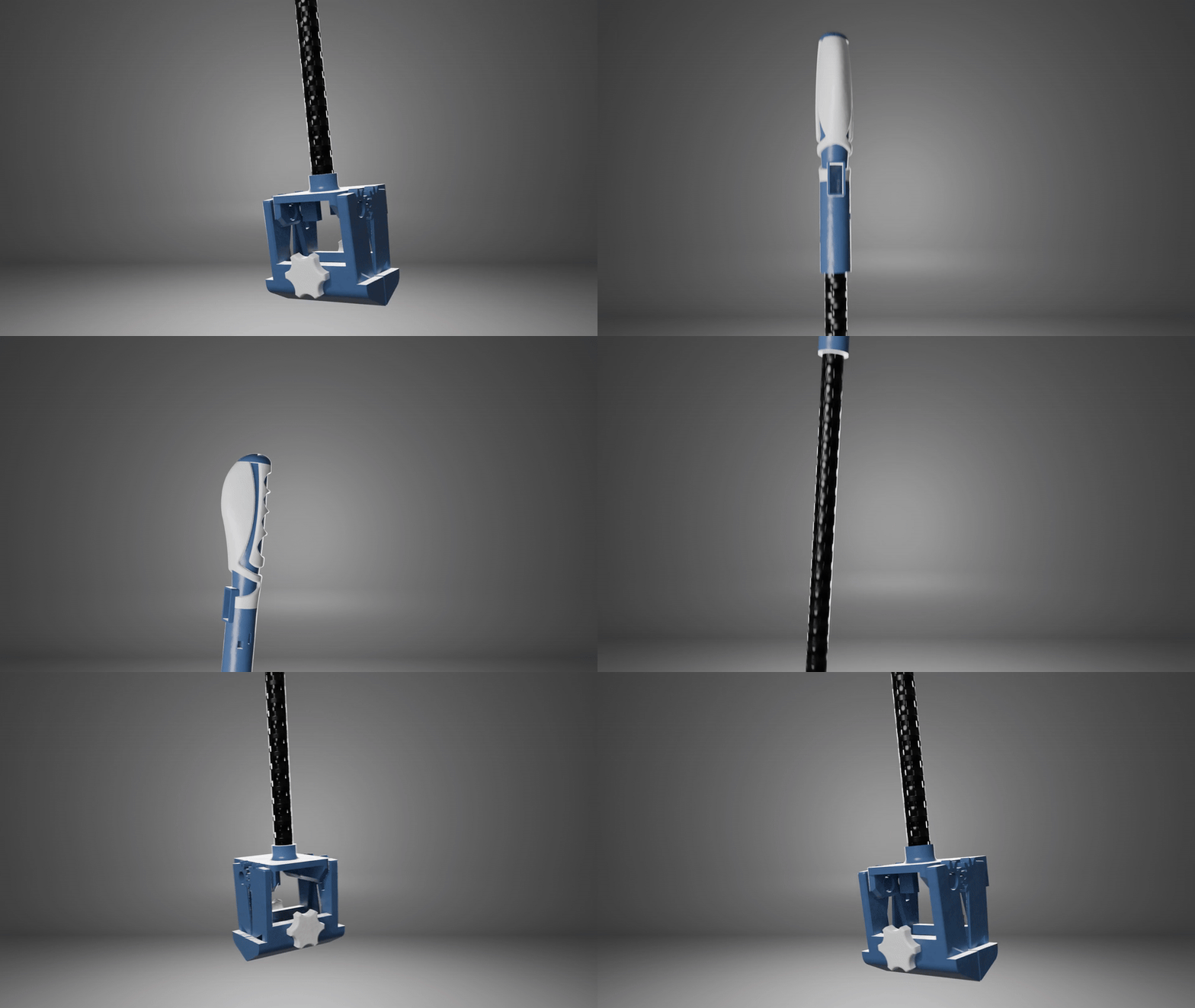
Assistive device design, low-force actuation, CAD prototyping, and ergonomic optimization

No-Grip Dog Waste Collection Device

Designed and prototyped an assistive device enabling hands-free dog waste collection for users with limited grip strength and mobility.

No-Grip Dog Waste Collection Device

Competition Recognition

Grip Force Required

< 10 N

Operable with minimal hand strength; no sustained squeezing required.

Operation Time

< 5 s

Single-motion waste collection from approach to capture.

Bending Requirement

Fully upright operation; no bending or crouching needed.

This project was recognized with for its accessibility-focused design and assistive device engineering.

01

Project Overview

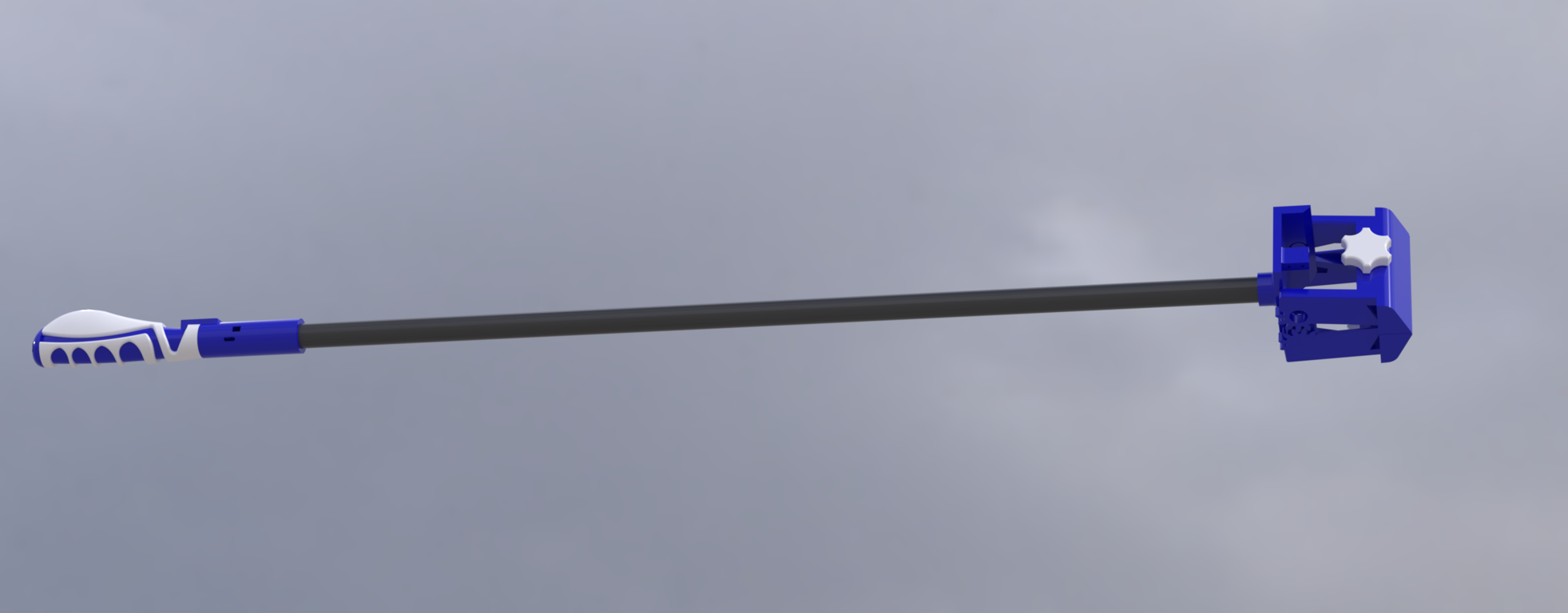
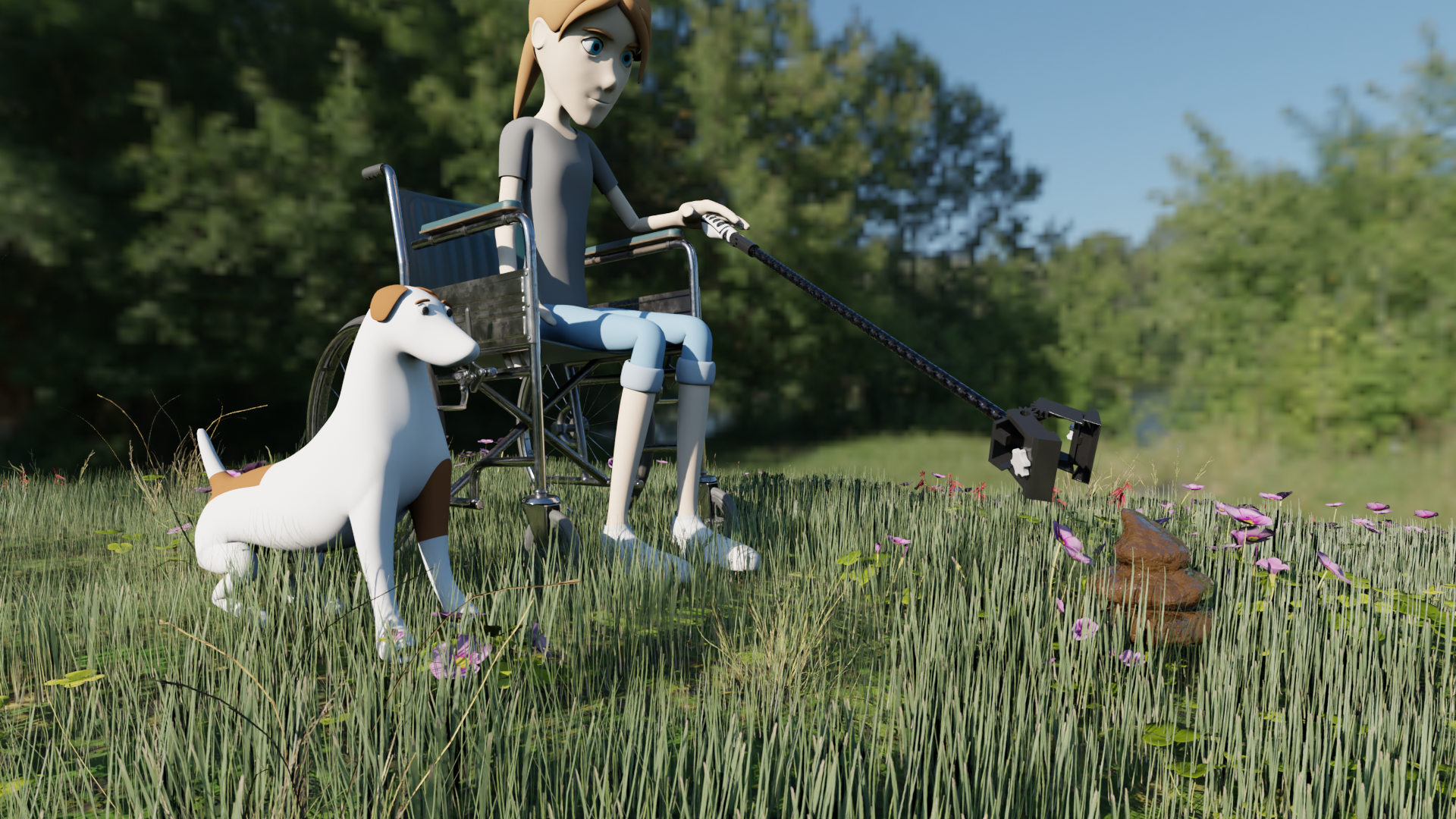
This project involved the design and development of an assistive dog waste collection device tailored for users with limited mobility and grip strength. The system was developed in collaboration with a real client, focusing on improving independence, ease of use, and reliability in outdoor environments. The final concept enables waste collection in a single motion while minimizing required force and user effort.
Project Overview

02

Problem Definition

Existing dog waste collection tools require bending, squeezing, or fine motor control, making them difficult or unusable for individuals with limited hand function or mobility impairments. The challenge was to design a device that could be operated with minimal grip strength, function reliably in real-world conditions, and integrate smoothly with a wheelchair-based lifestyle.

Problem Definition

03

Design & Development

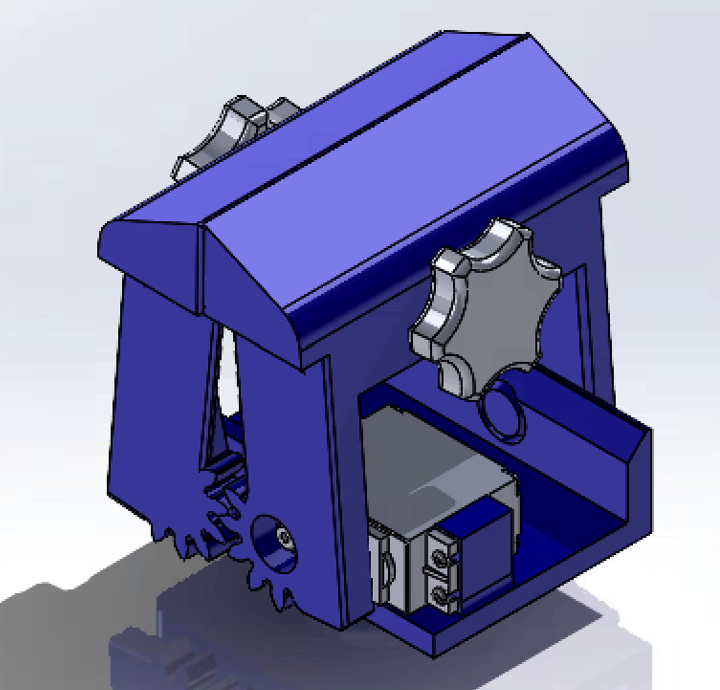
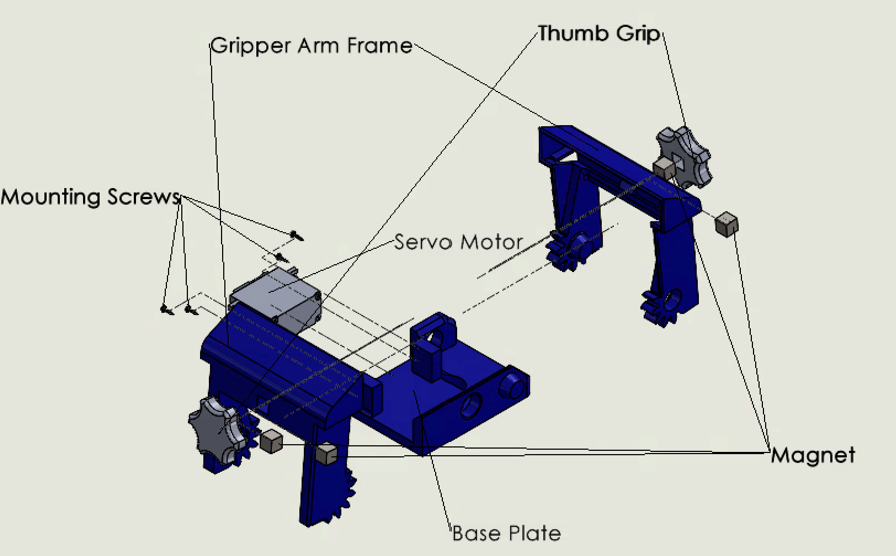
The device was developed through iterative prototyping, exploring multiple mechanical concepts including scoop mechanisms, compliant systems, and guided collection geometries. The final design integrates a simplified actuation mechanism that allows controlled motion with minimal user input, enabling reliable waste capture in a single operation.

Design & Development

04

Ergonomic Considerations

Ergonomics were central to the design. The device had to support upright operation, reduce hand strain, and remain intuitive during use. Reach, mounting possibilities, access angle, and ease of operation were considered so the system could be used without fine motor adjustments or excessive setup.

Ergonomic Considerations

05

Manufacturing & Prototyping

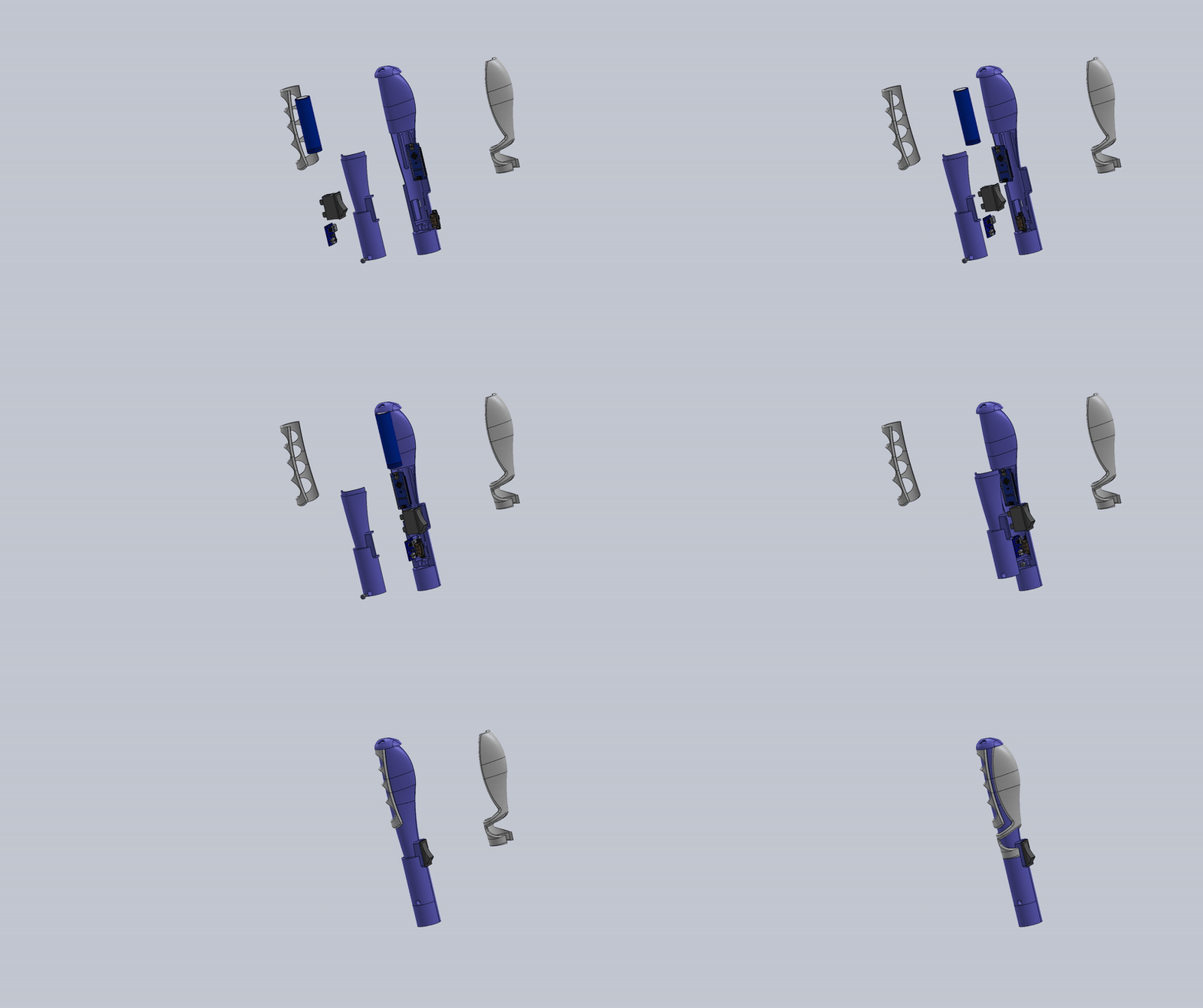
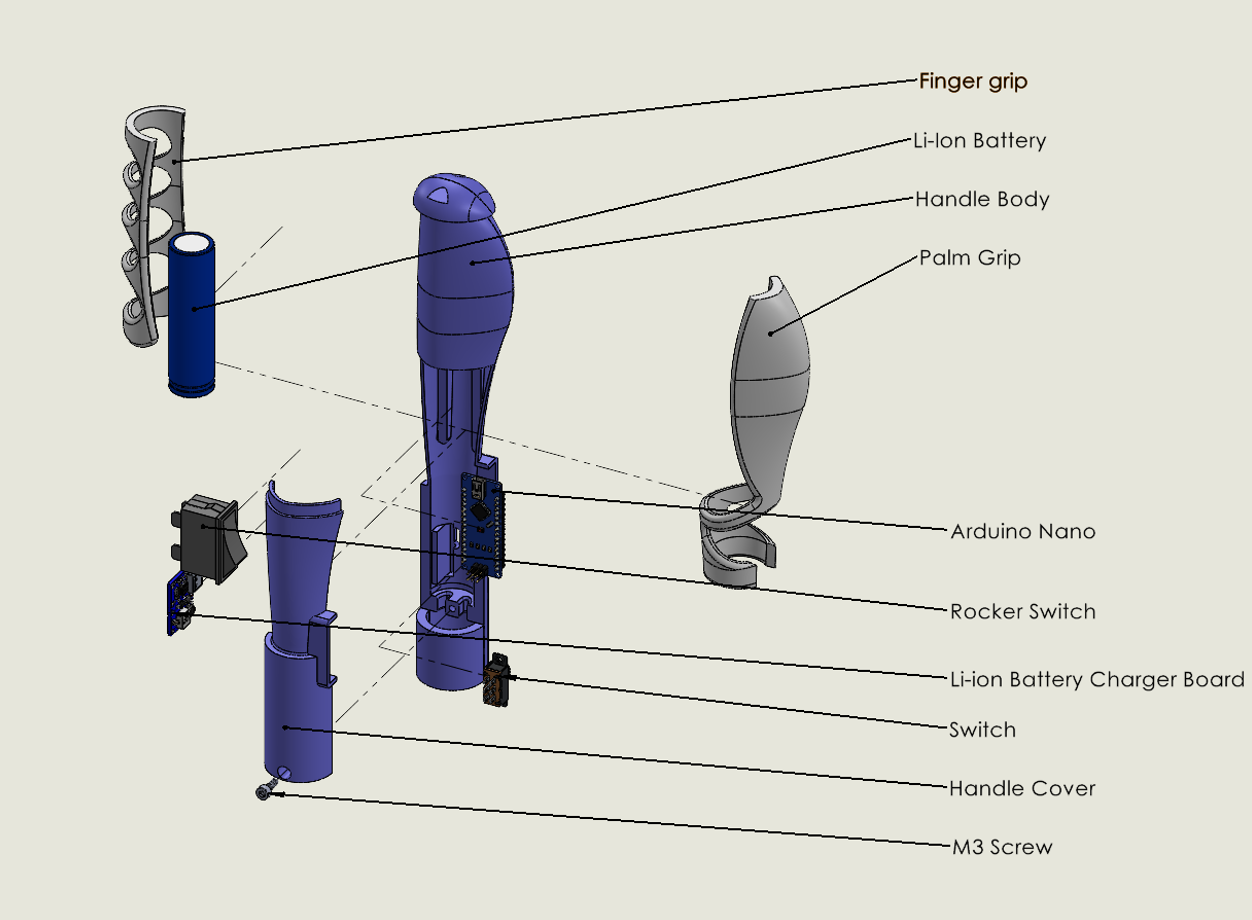
Rapid prototyping methods were used to evaluate and refine the design. Components were modeled in CAD and fabricated using 3D printing, allowing quick iteration and testing of different geometries and mechanisms. This approach helped validate usability, alignment, and functional performance.

Manufacturing & Prototyping

06

Results & Outcome

The final prototype successfully demonstrated improved accessibility and ease of use compared to conventional tools. The device enabled independent operation with reduced physical strain, meeting key client requirements for usability and reliability. The project was recognized with 1st Place in the Engineering Design Competition with an accessibility focus.

Interactive 3D model
Drag to rotate · Scroll to zoom

Skills Demonstrated

• Assistive device design

• Human-centered engineering

• Mechanical prototyping

• CAD modeling

• Rapid iteration & testing

• Client-driven design process

Project Demonstration