End-to-end design and implementation of a 4-axis CNC foam cutting machine for fast, repeatable aerodynamic component fabrication
4-Axis Foam Cutting Machine
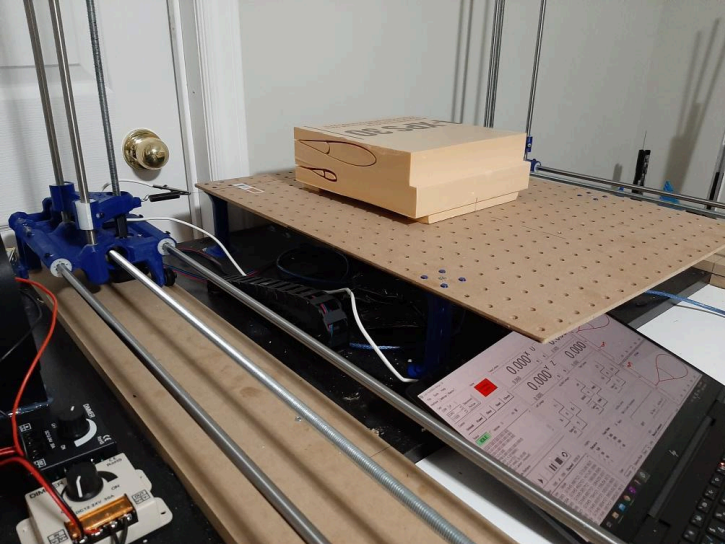
Designed and built a 4-axis CNC foam cutting machine for rapid fabrication of aerodynamic components used in SAE and VTOL projects.
Precision
±0.5 mm
Cutting accuracy for aerodynamic foam components
Efficiency
~50%
Reduction in prototyping time vs manual cutting
Application
SAE & VTOL
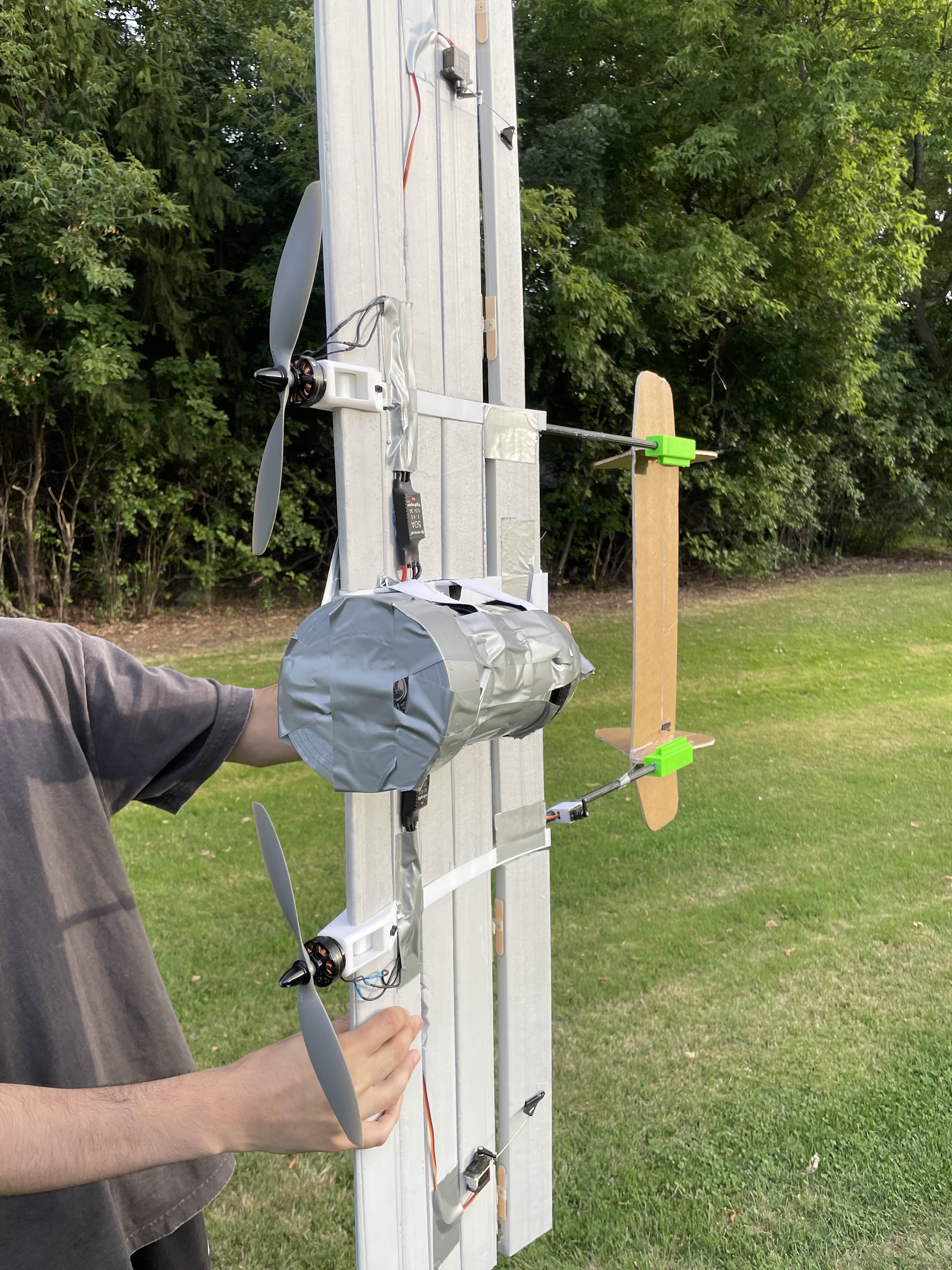
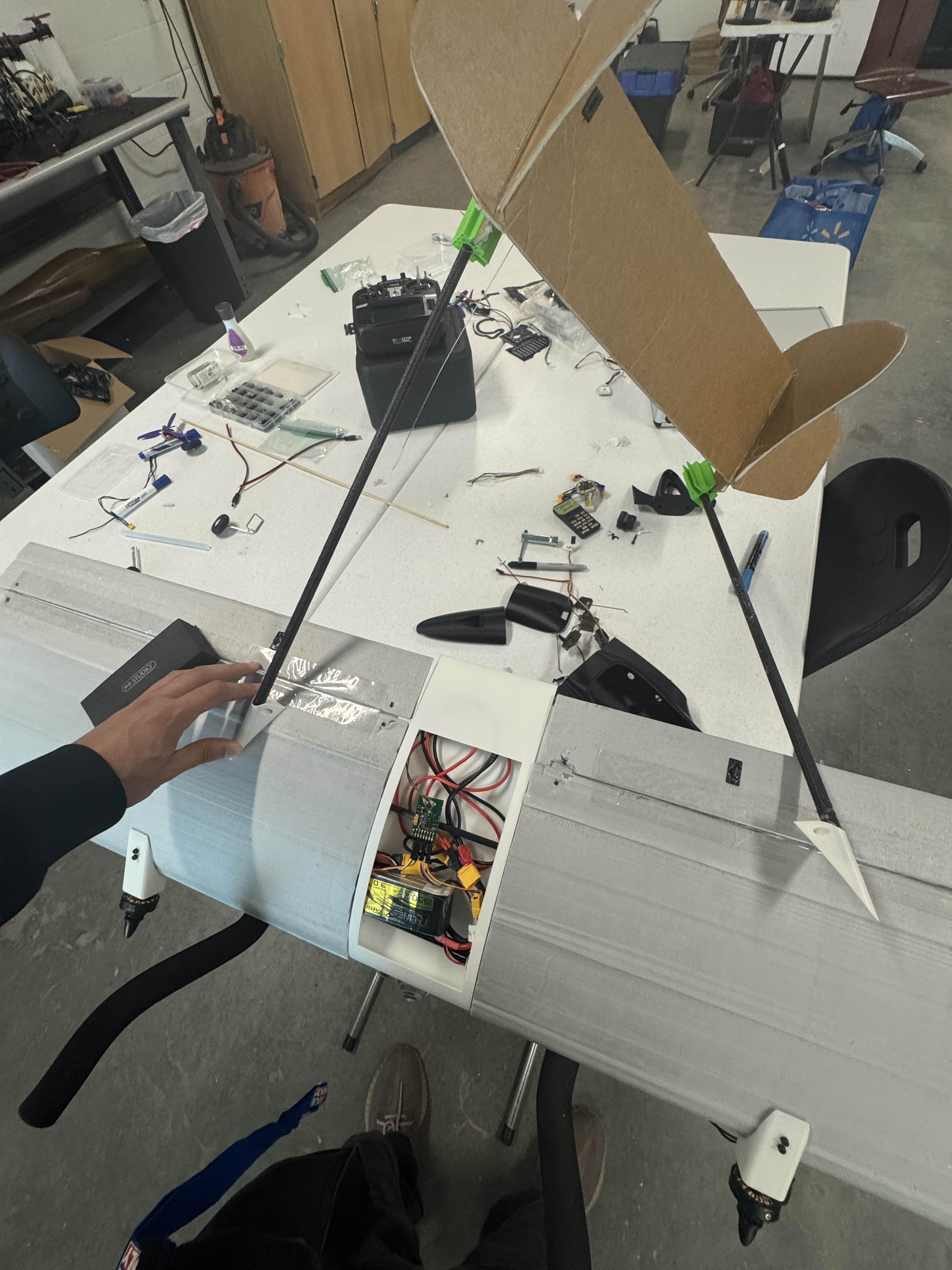
Used for vehicle bodies and wing development
01
Project Overview
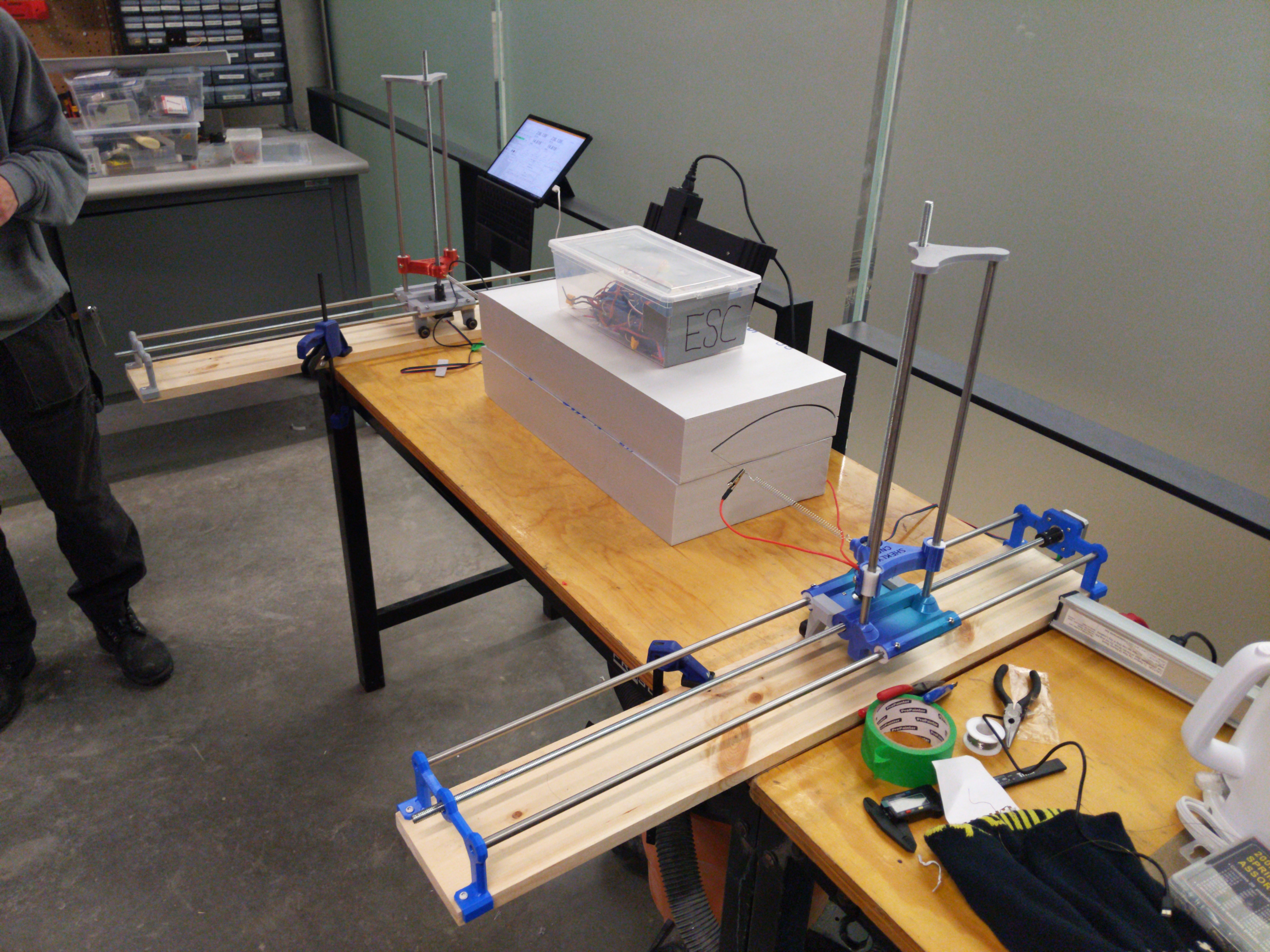
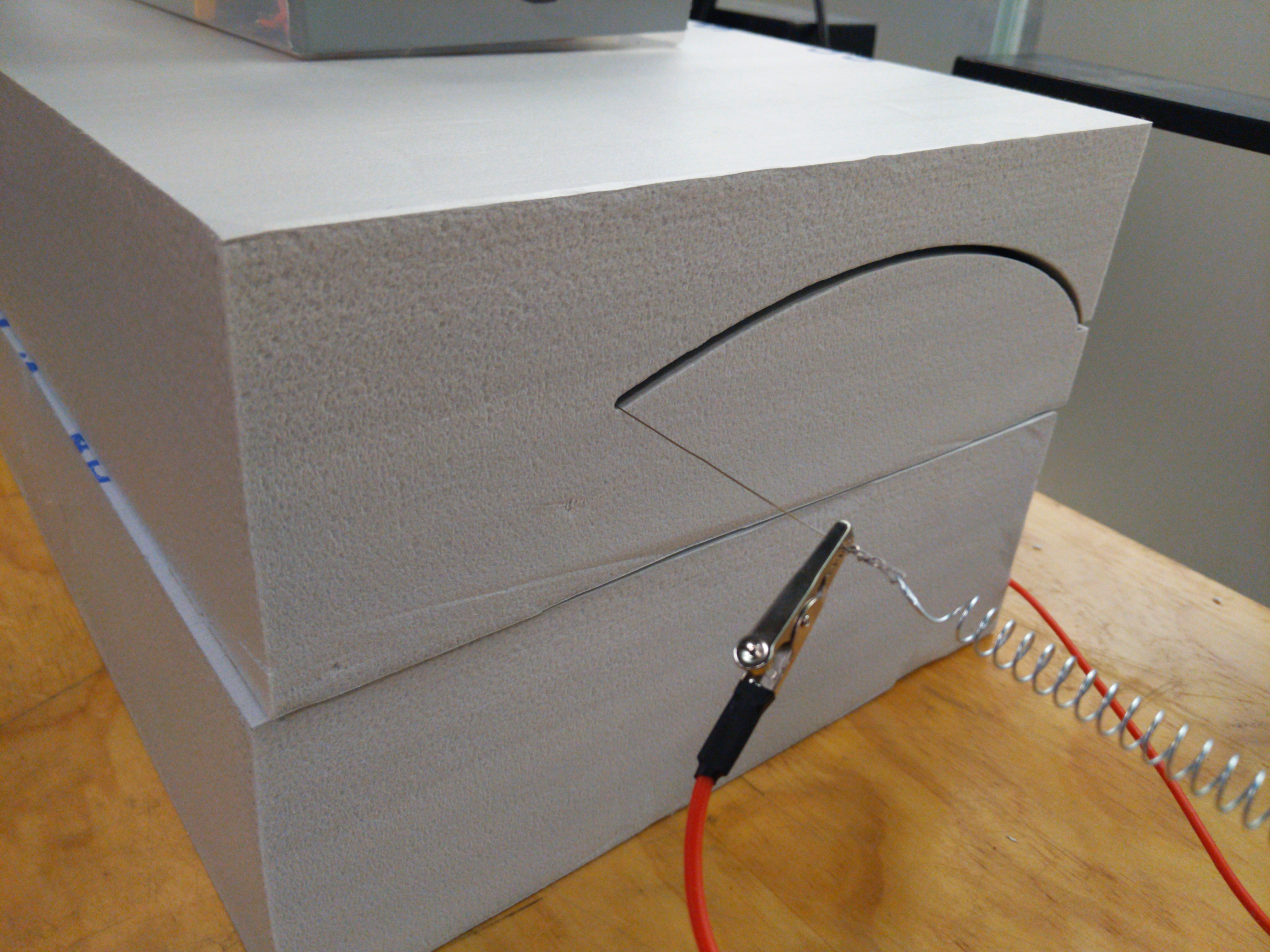
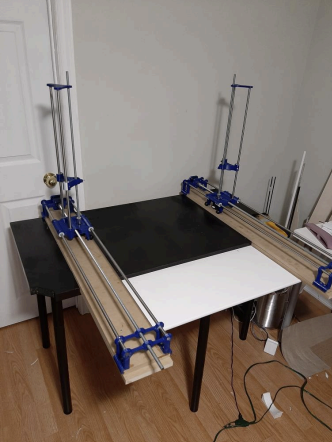
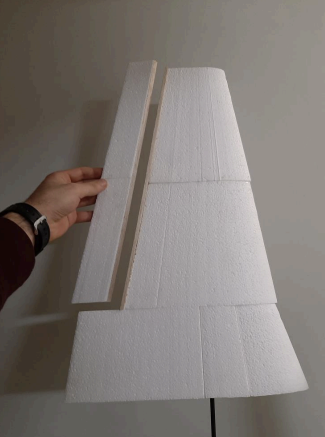
This project involved the design and construction of a custom 4-axis CNC hot-wire foam cutting machine intended for rapid fabrication of aerodynamic components. The system was primarily developed to manufacture wing sections and fuselage profiles for SAE competition vehicles and personal VTOL aircraft projects, while remaining flexible enough for broader prototyping applications. The machine enables synchronized motion across four axes, allowing complex tapered geometries to be cut accurately and repeatably from foam stock.
02
Problem Definition
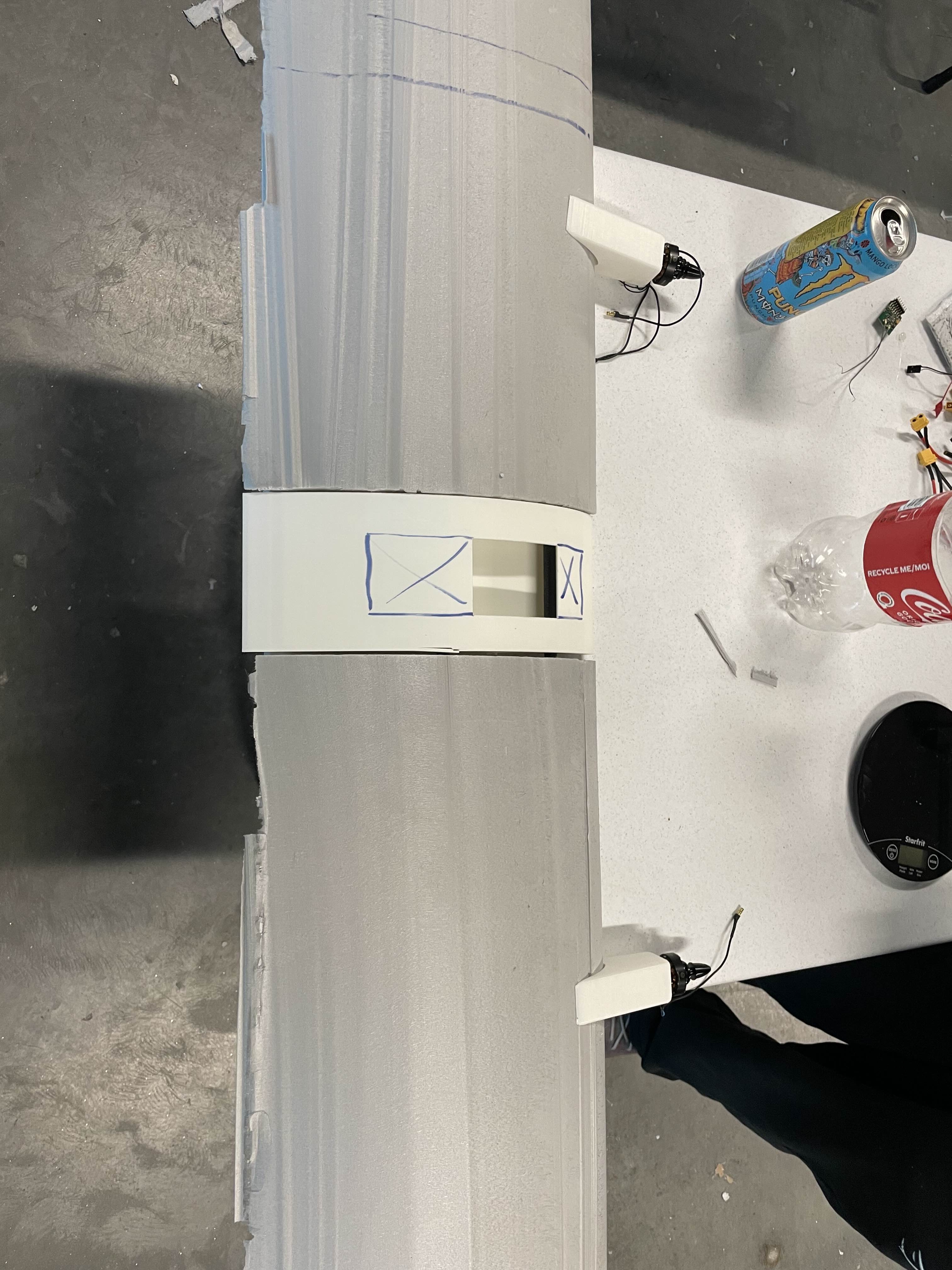
Aerodynamic prototyping for student competition teams typically relies on manual hot-wire cutting or outsourced CNC services, both of which introduce limitations. Manual methods lack repeatability and precision, while commercial multi-axis CNC foam cutters are cost-prohibitive and inaccessible for student teams. The challenge was to create a low-cost, in-house manufacturing solution capable of producing accurate airfoil and fuselage geometries without sacrificing flexibility, precision, or iteration speed.
03
Design & Analysis
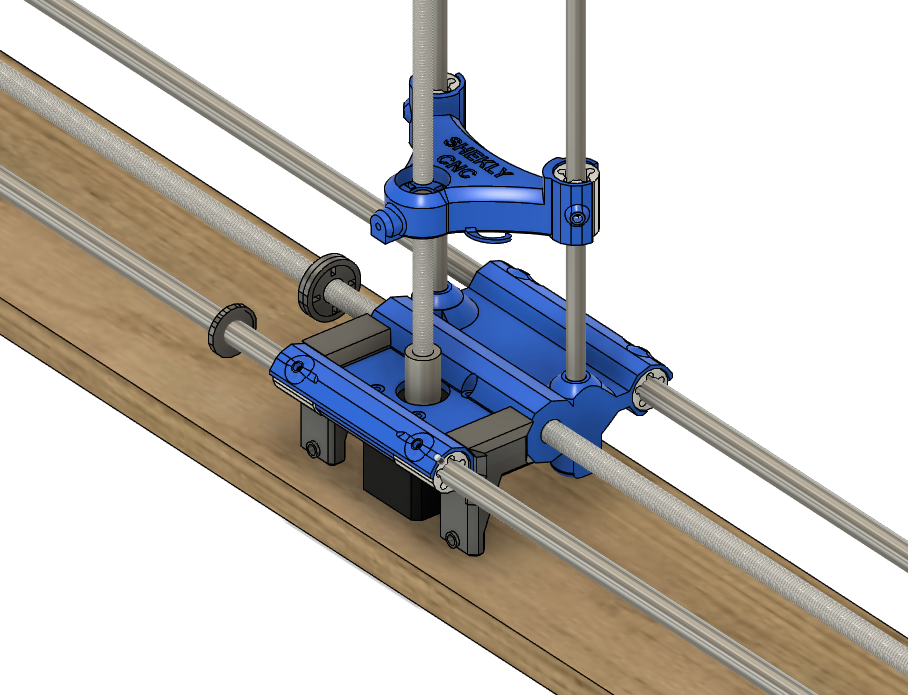
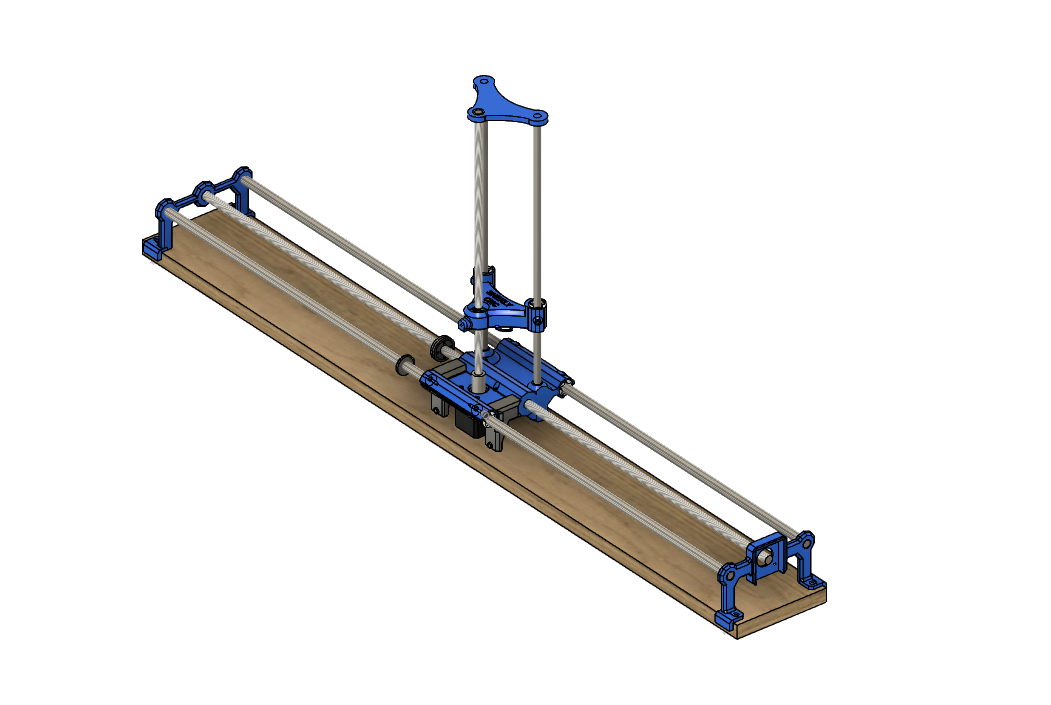
The machine was designed from scratch in CAD, including the structural frame, axis layout, bearing mounts, and hot-wire carriage system. Components were modeled in Fusion 360 with attention to rigidity, alignment, and synchronized four-axis motion, achieving ±0.5 mm cutting accuracy.
04
Software & Toolchain Integration
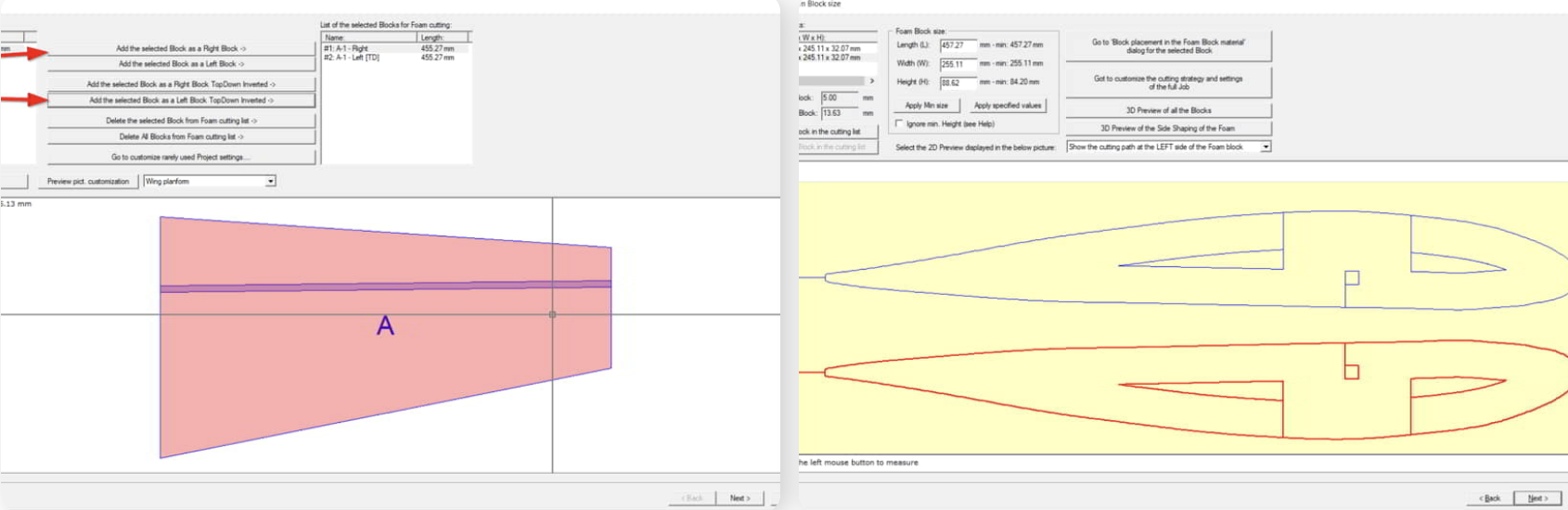
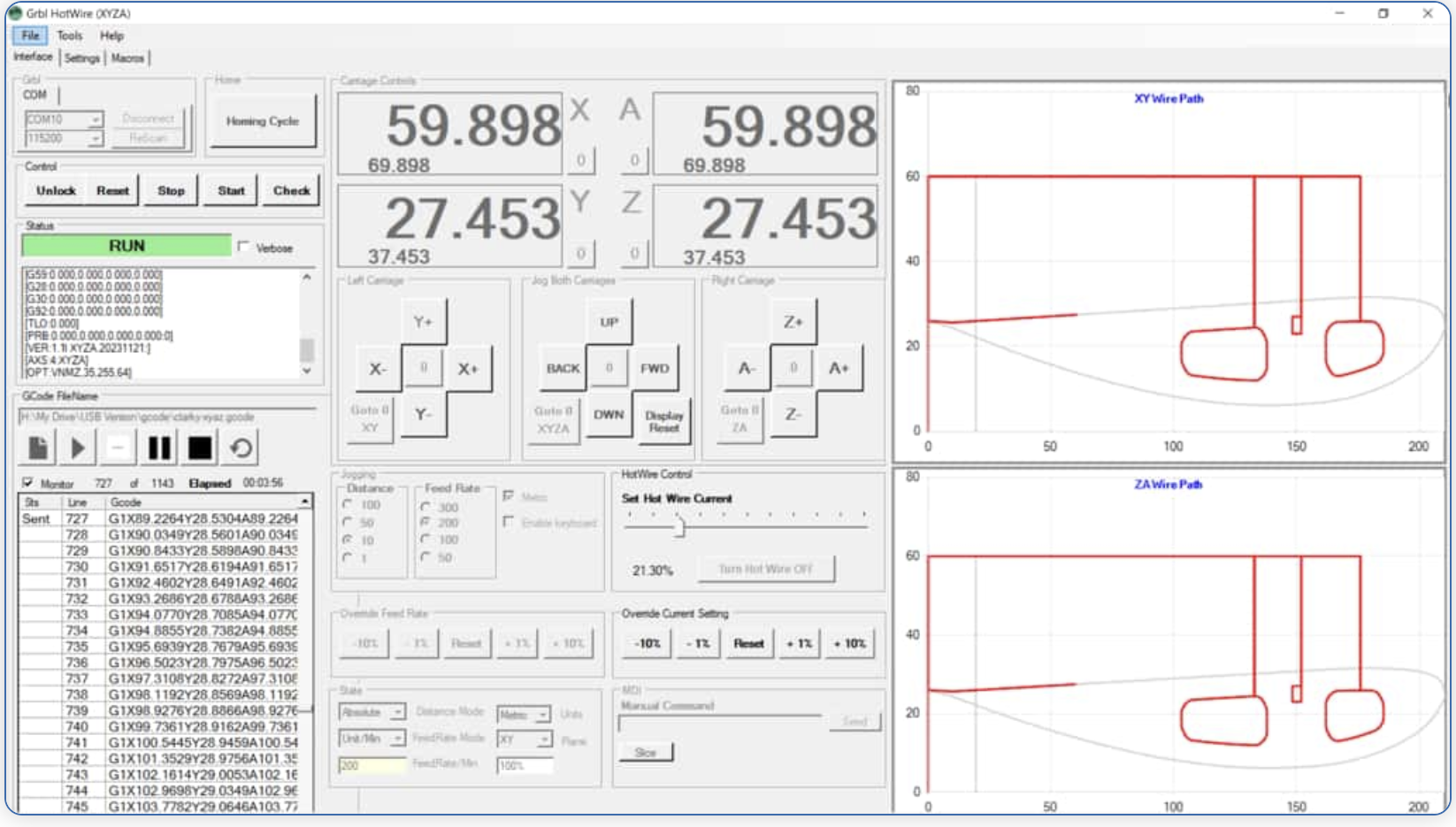
Aerodynamic geometry generation was handled using specialized foam-cutting software. Open aerodynamic design tools were used for basic airfoil definition and analysis, while DevWing Foam and DevFus Foam were employed for generating advanced wing and fuselage geometries. Toolpaths were exported as G-code and executed through GRBL-based control for synchronized motion.
05
Manufacturing & Assembly
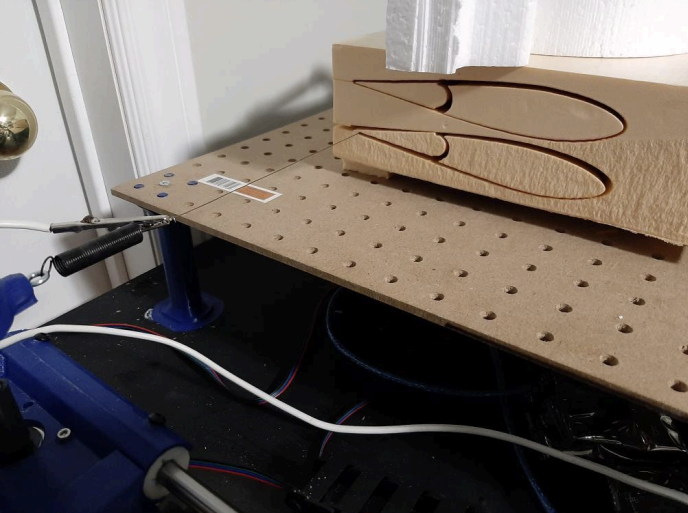
To keep the system accessible and cost-effective, most custom components were 3D printed, including mounts, bearing housings, and alignment fixtures. Aluminum extrusion and laser-cut plates were used where higher stiffness was required, enabling rapid iteration and quick mechanical fixes during development.
06
Results & Outcome
The completed machine successfully produced repeatable, high-quality foam components for aerodynamic testing and competition use. It reduced prototyping time by approximately 50% and enabled fast iteration for complex geometries.
Gallery
Project Media